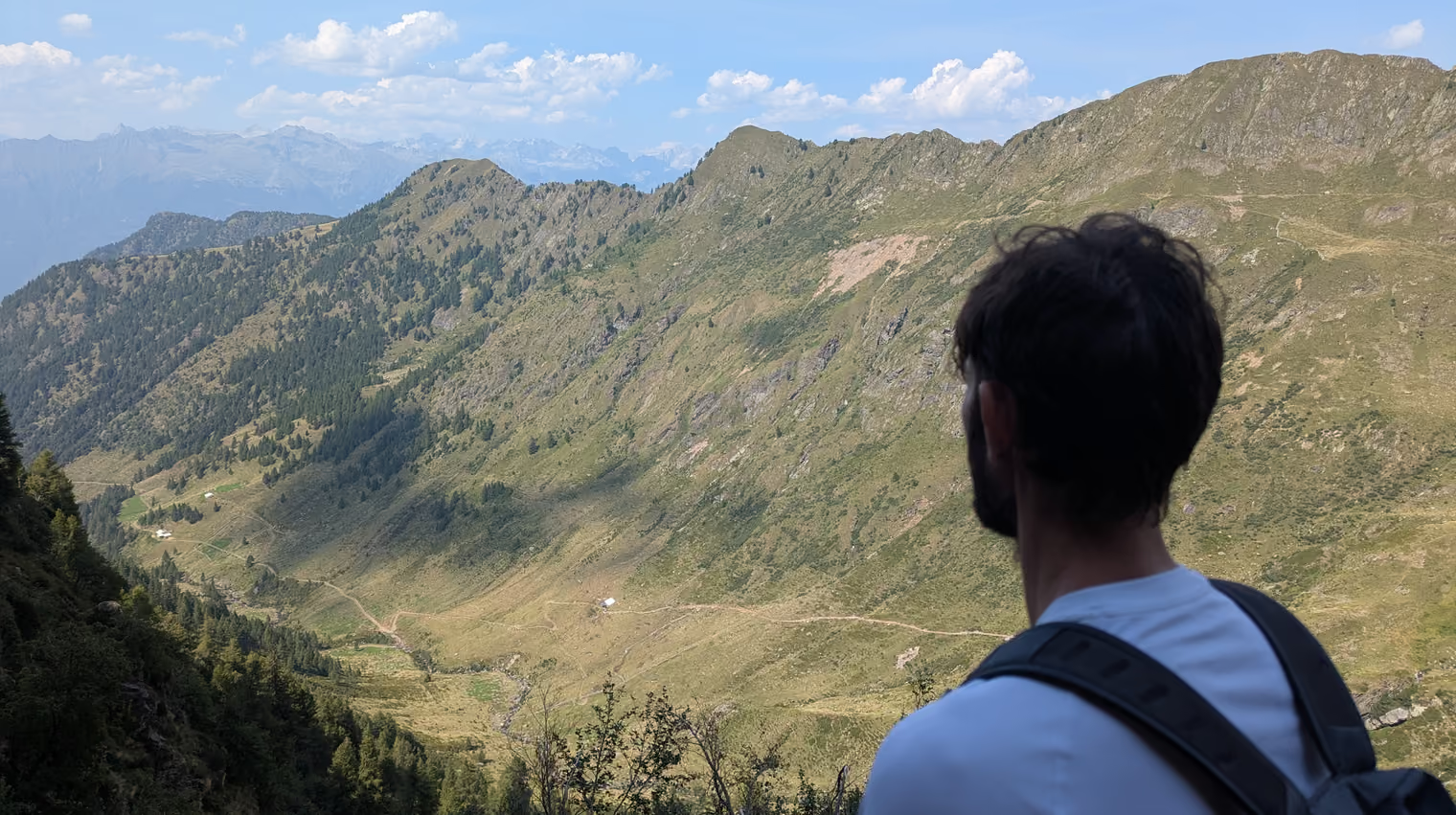
The Season of Mascherpa
Cottage in the forest, 22 August 2026
For the people of Morbegno, a small town at the foot of the Orobie Alps in lower Valtellina, it’s neither the solstice nor the heat warnings that mark the beginning of summer. The curious but unmistakable sign comes instead from the town’s food shops, whose windows announce the arrival of the first mountain mascherpas.
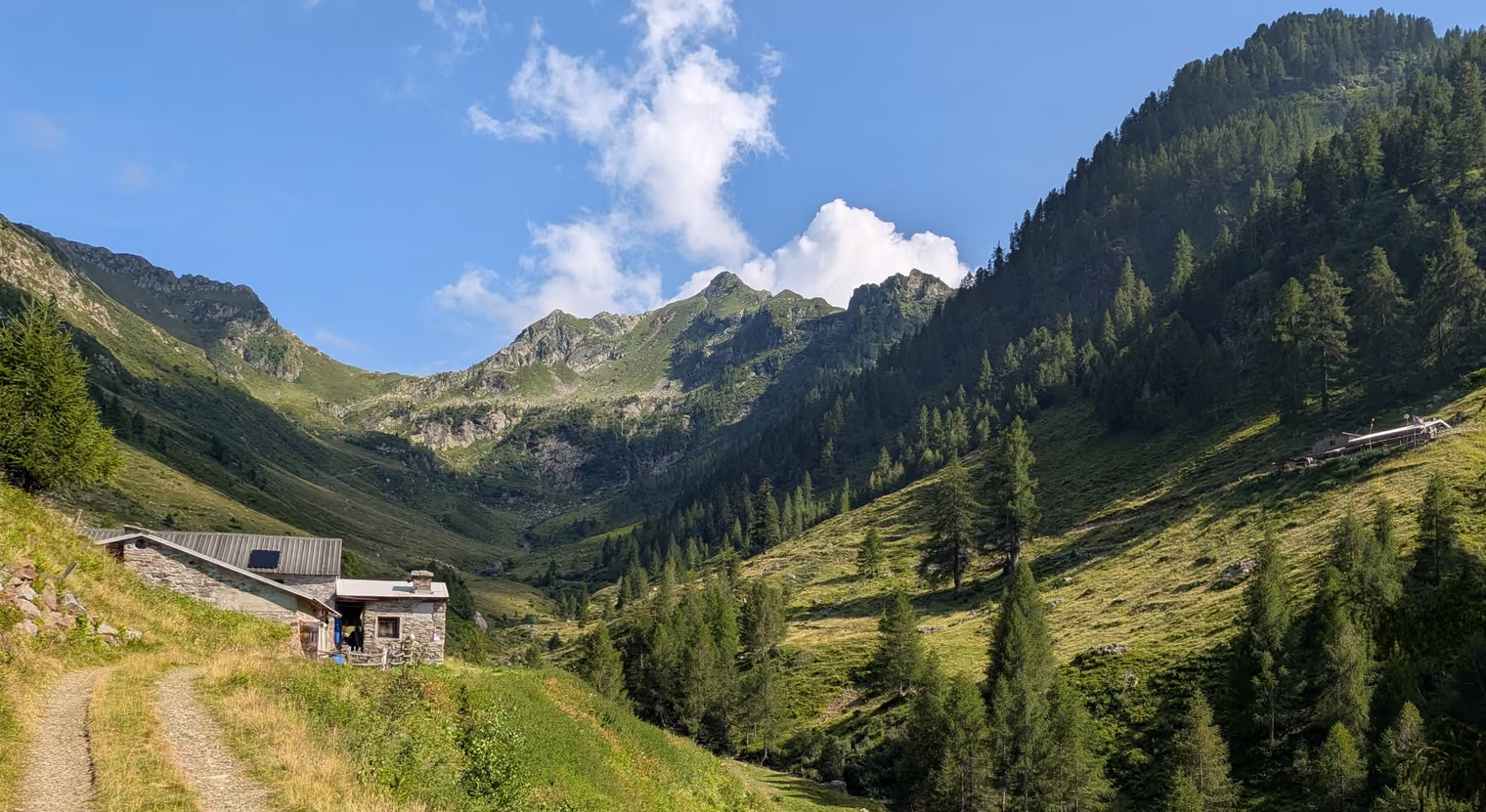
Towards the end of May, in fact, many local farmers perpetuate the ancient ritual of transhumance, taking their livestock higher up in search of still-green pastures. For tradition’s sake, and with a somewhat liberal interpretation of hygiene regulations, milking and cheesemaking take place directly amidst the meadows, in rudimentary structures known as calécc (pronounced /kaˈletʃ/). While the newborn wheels of Storico Ribelle cheese can spend their first few weeks in the malgasThe buildings at the alpine pastures, used as lodgings and to store cheeses and equipment., fresh products, like mascherpa, must be brought down to the valley.
A hasty linguist might dismiss “mascherpa” as simply the dialect word for ricotta. Don’t tell that to a local! They’ll shower you with an inventory of virtues that make the alpine version utterly incomparable to its lowland counterpart.
I don’t doubt it, although I admit that I do not have a trained palate. Blindfolded, I might not even be able to tell an authentic mascherpa from a lowly supermarket ricotta. But that hardly matters: as I see it, the pleasure of eating transcends the purely biochemical profile, and I am quite happy to let myself be fooled by elements such as the setting, the label, and the presentation.
And so, as I sink my fork into the firm paste of a slice of mascherpa, it is its irregular shape, its somewhat suspicious colour, and the waxed-paper wrapping still lying on the table that make it taste even better, bringing to mind the steep meadows where cows graze lazily in the company of marmots, and goats blend in with their wild cousins.
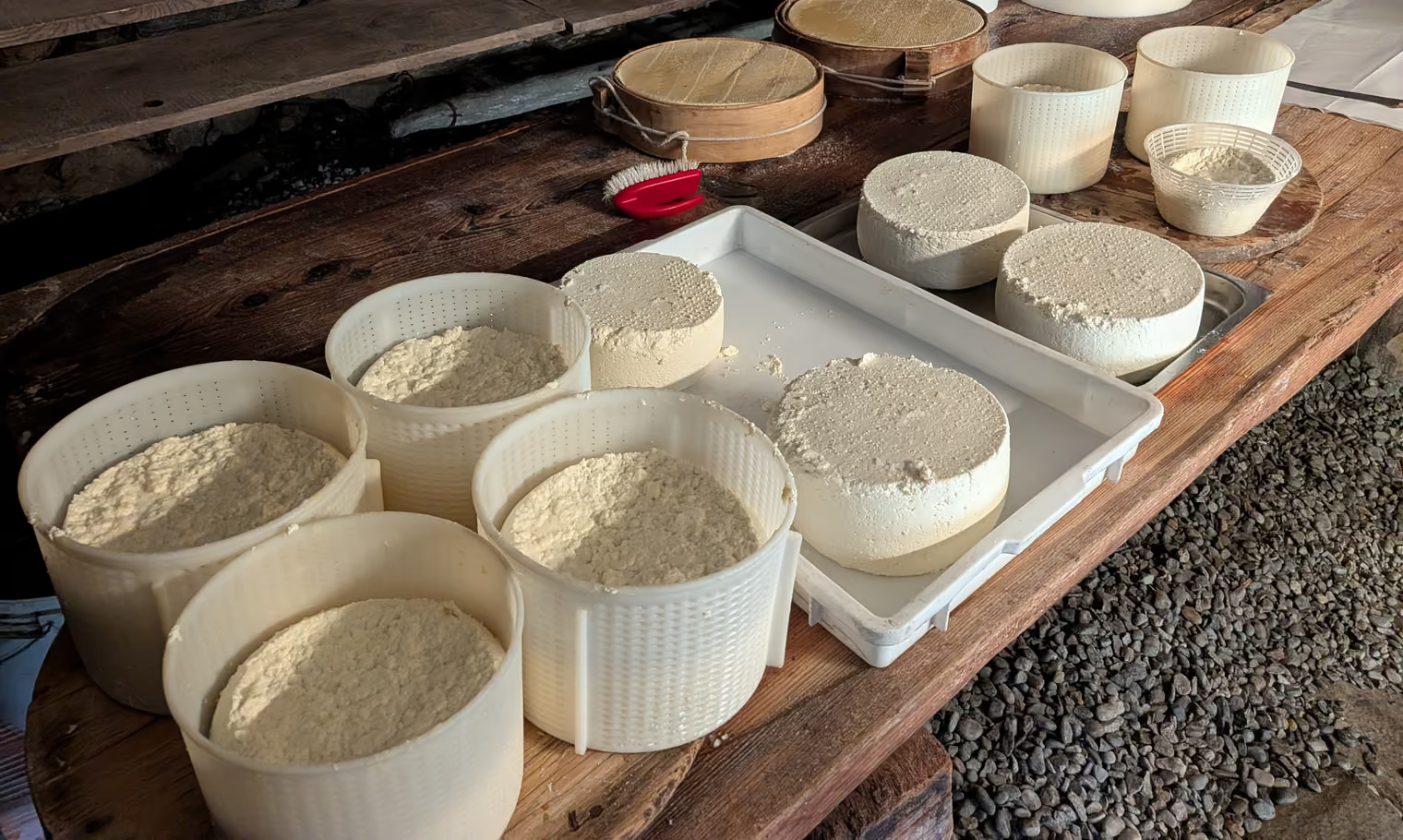
That is why mascherpa bought directly from a malga — an obligatory stop on any hike worthy of the name — tastes even better, despite being exactly the same as the one from the shop. Chosen from among the many rounds displayed on the wooden shelves in the cheese room, then wedged as best you can into your backpack for the journey home, when you eat it, its salty, slightly rustic flavour revives the emotions of the mountains.
I am writing these paragraphs from the usual cottage in the Lithuanian forest, where Goda and I have returned after two months in my native Morbegno, leaving behind dinners with family, weekends in mountain huts, chess games, and evenings spent sitting on the “spoon”The nickname of one of Morbegno’s fountains., sipping granita and watching who else is out and about. Though I am now back in a place of comfort and happiness, one that I have called home for almost ten years, it is always a wrench to leave people, places, and ways of life that still belong to me.
I think back to the cows. At the end of August, they too “return home,” and so mascherpa disappears from the windows of Morbegno, leaving its residents longing for its return. Yet even millennia ago, Heraclitus observed:
Disease makes health pleasant and good, hunger satiety, weariness rest.
It is absence, too, that makes mascherpa special.